Blood on the Clocktower
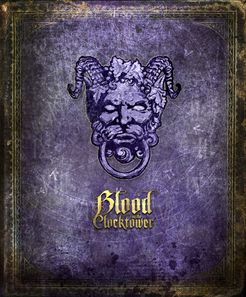
A Storyteller-led social deduction game of secret roles: discuss clues, nominate and execute by day, use abilities in secret at night, and keep talking even after death.
Blood on the Clocktower supports 6–21 players; community best: 9–12 players; playing time: 30–120 minutes. A WANGO browser trial has not been confirmed.
Background & introduction
Blood on the Clocktower takes place in Ravenswood Bluff, where a Demon hides among the townspeople. Players secretly become Townsfolk, Outsiders, Minions, or the Demon. A neutral Storyteller keeps the Grimoire, runs the nights, and adjudicates play. The good team hunts the Demon, while evil conceals its roles and disrupts the investigation.
Information does not always fit neatly together: drunkenness, poisoning, and character exceptions affect abilities. Dead players remain in the conversation and share their team’s result. Players must assess where clues came from and why people are making claims, rather than simply taking turns announcing their characters.
Core rules & scoring
Setup: Choose a single script, select the roles appropriate to the player count, and deal them secretly. The Storyteller records seating, characters, and states. This overview covers ordinary Trouble Brewing without Travellers; character abilities can create exceptions.
Day and night: Begin with the first night. Players close their eyes, and the Storyteller wakes the relevant characters in night order to act or receive information. During the day, discuss publicly or privately before nominations and voting.
Nominations: Normally, only living players may nominate. Each player may nominate at most once per day and be nominated at most once per day. Living players may vote on multiple nominations that day.
Execution: A nominee needs a vote total at least half the number of living players, rounded up, and strictly higher than every other nominee that day to be executed at day’s end. If the highest vote is tied or nobody reaches the threshold, there is no execution. At most one execution occurs per day.
Death and states: Dead players normally lose their ability and right to nominate, but may still speak and have one vote left for the rest of the game. Drunk or poisoned players normally have no functioning ability, though the Storyteller interacts with them as if it worked and their information may be false. Explicit character exceptions take precedence.
Winning: Normally, good wins when the Demon dies; evil wins if only two players remain alive and the Demon is still alive. First resolve character effects that transfer the Demon, keep a Demon alive, or change the victory conditions. A single death announcement does not by itself settle the result.
Rules & gameplay questions
Must I stop talking or leave the table when I die?
No. Dead players continue discussing, close their eyes at night, and win or lose with their team. They normally cannot nominate and have only one vote remaining. Follow any character text that explicitly functions after death.
With nine living players, are four votes enough for execution?
No. Half the living players rounded up is five. The nominee also needs more votes than any other nominee that day. Reaching the threshold does not mean the execution happens immediately.
Who is executed if two nominees tie for the highest vote?
If they remain tied for highest, nobody is executed that day. A later legal nomination can put someone else on the block only by reaching the threshold and gaining a higher total.
Can I retry a once-per-game ability after sobering up or recovering from poison?
Not merely because you recover. Attempting the ability used it up even though it had no effect. Resurrection, character changes, and other situations with explicit rules must be checked separately in the relevant character entry.
Rules & introduction sources
- Edition
- The Pandemonium Institute’s official Wiki rules, checked 2026-10-26. Covers ordinary Trouble Brewing with 7–15 players plus one Storyteller. Excludes Travellers, Fabled, custom scripts, and exhaustive character-interaction rulings. Character abilities and exceptions in the official character almanac take precedence.
- Rule references
- Introduction source
- BoardGameGeek
WANGO editorial
| Parameter | Recorded value |
|---|---|
| BGG overall rank (snapshot) | #64 |
| Complexity Weight | 3.03 / 5 |
| Best player count (community) | 9–12 |
| Player range | 6–21 |
| Playing time (minutes) | 30–120 |
| Core mechanisms | Betting and Bluffing · Deduction · Hidden Roles · Negotiation · Prisoner's Dilemma · Rock-Paper-Scissors · Roles with Asymmetric Information · Team-Based Game · Traitor Game · Variable Player Powers · Voting |
| Chinese publication | Unconfirmed |
| WANGO browser play | No confirmed WANGO trial |
| Year published | 2022 |
| Suggested age | 15+ |
BGG statistics are stored snapshots, not live rankings. Source checked:2026-09-27
Player questions
What is the best player count for Blood on the Clocktower, and can I play online?
Blood on the Clocktower supports 6–21 players; community best: 9–12 players; playing time: 30–120 minutes. A WANGO browser trial has not been confirmed. Recorded mechanism tags: Team-Based Game.
How complex is Blood on the Clocktower, and which mechanisms does it use?
Weight: 3.03 / 5. Mechanisms: Betting and Bluffing · Deduction · Hidden Roles · Negotiation · Prisoner's Dilemma · Rock-Paper-Scissors · Roles with Asymmetric Information · Team-Based Game · Traitor Game · Variable Player Powers · Voting. Chinese publication: Unconfirmed.
Where can I learn Blood on the Clocktower?
No rule guide, strategy article or WANGO trial has been confirmed for this record.